EXPLORE CLOUDWAYS
Experience lightning-fast loading times and seamless platform
View Demo > [Free Event] Build. Ship. Scale. at Velocity. See What’s Next at Prepathon | Sep 22–23 Save Your Spot Cloudways Velocity is here. Deploy Node.js apps on managed, predictable infrastructure. Start Hosting Now
 PRODUCTS
CLOUD PROVIDERS
SUPPORTED APPS
WHO WE SERVE
PARTNERSHIP PROGRAMS
Lifetime deal: 75% OFF
Advanced Support
POWERFUL FEATURES
DISCOVER
WHY CLOUDWAYS
 Read Case Study >
 Jesse Tutt
Founder & CEO

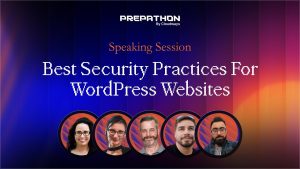
A Cloudways Prepathon 2024 panel on why chasing traffic isn’t enough, and how agencies can evolve demand generation to actually convert, retain, and grow revenue, covering specificity, pricing models, frequency, and knowing your numbers.
🎙️ Speakers
▸ Aaron Carpenter — Founder, Mental Health Marketing, LegendaryLion
▸ Abby Wood — Founder, The Content Lab
▸ Jeff Couret — Founder & CEO, SEOak
▸ Host: Jen Buzza — Mentor, UGURUS
✨ Key Takeaways
✦ Traffic alone doesn’t grow revenue, retention assets and a consistent brand experience often move the bottom line more than more visitors.
✦ Get specific: converting five of fifty targeted people beats converting one of a thousand, and it makes your messaging far easier.
✦ Balance demand generation with demand capture, sometimes the whole budget should go to conversion, not more traffic.
✦ Build authority in a niche so the sales cycle shortens and you compete on being the best, not the cheapest.
✦ There’s no single right price model: low-ticket/high-volume and high-ticket/low-volume both work, protect profit, not just revenue.
✦ Reverse-engineer campaign frequency from your audience, A/B test it, and don’t generate leads faster than you can fulfill them.
✦ Track leading and lagging indicators, protect dedicated growth time on your calendar, and delegate without jumping back in.
Jen Buzza: Well hello, hello everyone, welcome. This is so exciting, we are on Prepathon 2024, day two. Thank you all for being here, super excited to get this rolling. I love the smiley faces popping up. This is one of my favorite events of all year, and it is for you too, I’m sure. Yesterday we had some amazing material, if you missed it you can catch the recording. We did SEO, we did a session on performance, we did live SEO optimization, can you believe it. And today you’re here. We’ve got a lot for you today: evolving demand generation approach, that’s going to be the first one, and we also have live LinkedIn profile makeovers, super exciting, and preparing your e-commerce store for the holiday season.
So we have the most amazing panel coming up. It is wonderful to be talking about our industry, but today is extra special because I know all three of these people, and you’re going to know them soon. These people are leaders of our industry. Today we have Aaron Carpenter coming in with a million years of experience, more like 15, but let’s, you know, it’s a lot. Aaron is a phenomenal human being, not only is he calm and kind, he’s ridiculously intelligent, y’all, he runs a digital agency for mental health, and he’s a phenomenal mentor at UGURUS. So Aaron, thank you for being here. We also have the brilliant Abby Wood, she’s the founder of The Content Lab, and she works with digital agencies to produce content that brings in demand, converts demand, and is also beautifully written and enjoyable to read. So Abby, thank you for being here, thank you for all of your service to digital agencies through UGURUS and otherwise.
Abby Wood: Thank you so much for having me, Jen, looking forward to this.
Jen Buzza: Wonderful. And last but definitely not least, with 24 years of experience, you’re not going to be able to tell because he looks quite young, we have Jeff. Jeff comes from New Orleans, or at least lives in New Orleans, which is a very cool place to live. He is an SEO specialist and also a phenomenal human, wonderful father. This is what’s so special about Cloudways and Prepathon, we are bringing together experts who have been in this industry a very long time to help you all move forward. So we’re going to be taking some questions in the chat, but mostly we’ve got a lot of stuff prepared for you all today. So thank you all for being here, you’re all mentors at UGURUS, which is huge. Let’s get started, y’all ready?
So, demand generation approach, that’s what we’re talking about today. We know this world is shifting, it’s just what humans do. Our industry is a newer industry, we have not been around for thousands of years. I want to talk about rethinking this traffic solution myth. Traffic alone doesn’t guarantee revenue growth. You can have all the traffic in the world and still be sitting on your hands wondering what’s going on. How can businesses shift their focus from merely driving traffic to addressing the underlying issues that impact revenue? Aaron, I’m going to throw this one to you first.
Aaron Carpenter: Yeah, sure. One of the primary things that we’ve found at Mental Health Marketing that has really changed the bottom line without having anything to do with traffic is by working on support assets for our clients. When I talk with other agencies about how to improve customer retention, if you’re on a reciprocal model where you charge them month-to-month for services, imagine if your average lifetime span of a client is six months and you have 100 active clients, if you could increase that six months to 12, you’ve just doubled your bottom line. And that might come from an asset like, here’s how we recommend you follow up through email with leads, or here’s how we recommend you close those leads after we’ve warmed them up in marketing for you. So if you can empower your clients to do that, and they love that from you and want to stick around for twice as long, you’ve effectively doubled your business in the amount of time it takes to make that one asset. So that can have a huge impact on your bottom line.
Abby Wood: I would love to jump in on this one. 100% yes, so I think traffic is great, it’s absolutely great, but there’s no use in getting traffic if it’s not converting. And as a copywriter by trade, I’m all about conversion copy and positioning and differentiation, so it does all come back to that. What makes you stand out, what makes you unique, are you living and breathing that through every single aspect of your brand, does your website sell your brand experience? And if it doesn’t, clients will end up coming to you, yes maybe, but will they stay if they’ve been sold an experience that doesn’t really line up with expectations? So definitely make sure that your communication is consistent, to say the least.
Jen Buzza: I love it. Jeff, thoughts on this?
Jeff: Yeah, unfortunately there have been some situations where we have lost clients because, even though we have increased their traffic significantly to their website, that traffic doesn’t always convert and turn into leads and sales. So if we can’t figure out both sides of that equation, it’s a problem. Back in the day we used to focus primarily on getting the clients more traffic, but we’ve realized that’s just not enough, so we do need to help them figure out how to convert those leads and, more importantly, turn those into new customers.
Jen Buzza: I love this. So traffic is one thing, yes, and we do find in working with digital agencies daily that there is a huge focus on lead generation, demand generation, everybody feels that’s the golden goose. And what the three of you have just said is really beautiful, if what you’re bringing them in on isn’t their experience throughout, it’s no good, if the experience doesn’t last more than two months then we’re just chasing our tail. And this idea, Jeff, specifically the fact that you do SEO for agencies, your company can’t last if they don’t do something with the traffic you generate. Do you guys have an example of changing that mindset, what that might look like?
Abby Wood: Absolutely. I can give you an example of a company that we were helping with their brand positioning and general brand messaging. It was a fantastic construction company, and their whole approach was white-glove service, so the entire website sold this luxurious experience of going above and beyond for customers. So we were managing to convert the actual website traffic into sales inquiries, but it didn’t result in more sales. It was like, okay, what’s going on there, there’s obviously something not connecting. And it turns out that sometimes they just weren’t answering their phones, and sometimes when they were answering, the admin staff were incredibly rude and weren’t giving the same level of service that people had bought into. They were expecting someone friendly and approachable, but what they got instead was a standoffish, cold approach. So getting the traffic to you is one thing, ensuring that you’re delivering on service will make sure we can avoid those feast-and-famine cycles.
Jen Buzza: I love it. So next question, demand generation and demand capture. Generating awareness, generating demand in your market, and then there’s the concept of demand capture, where the demand is already there, how do we capture it and turn it into clients? There’s a balance, and there’s a time for one, a time for the other, and a time for the combination. How does balancing demand generation and demand capture directly influence a company’s revenue growth, and what strategies are you finding most effective, for yourselves and for your clients?
Aaron Carpenter: Be specific. Specificity and quality over everything else, hands down, all the time. Most of the problem I find when I work with other agencies is that a knee-jerk reaction of an entrepreneur is to use the analogy of a shotgun blast or wide net, I just want to show everybody who I can help. The way I articulate this is, all right, let’s assume you do that and you get in front of a thousand people and you convert one, versus being way more specific and only getting in front of 50 people but converting five. For your time it’s more efficient, for your messaging it’s more efficient, it resonates more with that person. There are so many people in the world that if you’re even just targeting a city, there’s probably sufficient demand for you to grow your agency, not saying you should target a specific city, that’s just one place to start, then who in that city are you targeting. The more specific you can get, as long as there’s still a market for it, the easier your messaging is going to be. Abby’s going to be like, oh my God, if you came to me as a client and said I work with these people on this issue and I solve it this way, she’d be like, amazing, let me get you that copy, because we just skipped discovery. So specificity over everything. Anecdotally, there’s a YouTuber I really like, this person maybe shares a video once every three months, but I watch every single one from start to finish, and there are other YouTubers that release videos daily and they’re like, I need to do content, and it’s the same with blog posts, I need to post, I need to post, what’s the point if no one reads it. I would much rather spend 10 hours on an excellent piece than half an hour on a bunch of crappy ones. So that’s my two cents.
Abby Wood: 100% yeah. The days of pumping out content non-stop are over. It’s great to produce content, but quality over quantity, 100%. For me, a big thing was authority building, so really getting known in that specific niche or industry that you’re working with. That will really help both demand generation and demand capture, because as you’re building authority and you get known as the go-to expert in that niche, it makes the sales process a hell of a lot shorter, and the inbound leads increase and the quality is higher. Whereas if you’re consistently having to prove yourself over and over again, the sales process is longer and more difficult. And as clients see you work with industry, I hate the word influencers, champions, whatever you want to call them, they get a little bit more trust in you as well, so they’ll keep coming back for more.
Jeff: One thing I wanted to mention, just more specifically on the balance angle. People hire us and agencies hire us for SEO to help them deliver SEO to their clients. SEO is great, generating more and more traffic, but what we found in a couple of cases where we were helping them get traffic but that traffic wasn’t necessarily converting, we actually had to put their entire monthly budget toward conversion rate optimization. Now, conversion rate optimization isn’t what people would traditionally think of as SEO, but if we can’t help them figure out their leads and sales issue, we’re going to end up losing the clients. So we will do conversion rate optimization, which I think is more of a demand-capture thing, where traditional SEO would probably be more of a demand-generation thing. So that’s how we’re balancing things in certain cases. One, you can’t have one without the other.
Jen Buzza: And on that, how businesses can safeguard their revenue streams while optimizing both. What I think I’m hearing, and what I would advise, is you’ve got to be paying attention, none of this is you push the button and it goes, all of this requires human attention and intelligence. This is where a lot of us prefer to go to the specialist. Abby, you’re talking about building authority, you become the specialist, you know that market. We go to specialists like Jeff to get one part of what our business is going to be doing. And back to that shotgun concept, we’re going to be specific and watchful and intelligent at all times. Especially when it comes to revenue streams and budget, we want our budget to be worth it, we want the ROI there. Any other thoughts on how you safeguard?
Jeff: Just be careful, be aware, don’t put your head in the sand, keep an eye on your numbers. I think that helps a lot.
Aaron Carpenter: If you’re interested in this topic right now, it’s highly likely you’re thinking about how you’re going to really push for demand or conversion. One thing I typically advise businesses to do is to pilot test something, so set aside resources, time, coin, to do the thing, but then take like 25% of that and prototype out what you’re doing, prove the results first on a paid campaign that can look as low as 3,500 bucks a month, whatever that number is for you. And then once you’ve proved it works and you know how you’re going to optimize it, then ratchet it up. Dumping everything real quick is a recipe for disaster, because you need to learn and know which direction you’re going first before you multiply that outcome.
Jen Buzza: I love it. So don’t take your eye off the ball, nor off the end result. The end result is not just to create a whole bunch of demand, the end result is being able to answer that demand profitably. So this is some good material for everybody watching to be thinking about, and none of this is press-and-play, we’re all thinkers here, we want to do better. I want to look at exploring the impact and consideration on marketing strategies. If you guys can shift with me over to pricing strategies. Pricing strategies can make or break demand efforts and make or break a company. How do you align your pricing approach with your demand generation goals to drive revenue growth?
Jeff: I personally think it really depends if it’s high ticket or low ticket. If it’s high ticket you probably want to hide that pricing until later on in the sales funnel, because selling something really expensive isn’t really a selling point. So high ticket is probably more of a demand-capture thing. Now if it’s low ticket and the price is a selling point, I would say mention it earlier, very early in the relationship. So that’s probably the biggest consideration, whether it’s high ticket or low ticket in my opinion.
Aaron Carpenter: Good point. Usually in discussions around that, Mental Health Marketing, for context, I’m very open with people that our thing is that we’re a cost leader and we’re low ticket, high volume. The reason for that, I’ve always liked that approach as a business approach because the stress and anxiety as an entrepreneur and agency owner is vastly reduced when you have a hundred clients all paying your bills versus two, because if you lose one that’s a nightmare and you’ve got to solve that problem tomorrow. So for me I enjoy it because I get more hours of sleep every night, but it also has this intrinsic benefit of, I’m working with more people more constantly, so the ability to soundboard off those clients and get thematic feedback in order to evolve what we’re delivering is an advantage. The disadvantage is things are tight, your SOP has got to be smooth, because the second things start to go off the rails with a really tight budget and smaller margins across many accounts, that’s the trade-off. So pricing strategies in terms of low ticket, it’s all about your SOP and figuring out how to deliver and solve real problems that produce value to your clients with a minimum amount of overhead. So for teams like mine you’ll see very tight, small, highly efficient teams, whereas for higher ticket stuff you tend to see larger teams that provide higher firepower across a broader spectrum and more custom types of work, and that has its own challenges. High ticket is a viable way to scale an agency, low ticket’s a viable way to scale an agency, there’s no silver bullet, just depends on what type of agency you want to build.
Abby Wood: I would definitely agree with Aaron on this one. There are so many different agency models out there, there’s no one-fits-all. My business model would be similar to Aaron’s, we have a lot of different clients that send us a lot of work, but it’s not high ticket. We’re white-label copywriters and content marketers, the idea is that our services are resold by other agencies, so they go out and sell the work and we deliver it, which is great for me because I just have to bring on more agencies and they sell it. But I think there’s definitely a focus on profit. I’m a big fan of profit, so profit is more important to me than being like, oh, I’ve got a multi-million turnover. I know so many agencies that are multi-million turnovers and yet their profit margins are awful and they’re super stressed, whereas I know plenty of smaller agencies that, although from the outside they’re making less, their profit margins are so good that they’re a lot less stressed, a lot more comfortable, not under as much pressure. But it’s definitely personal choice. I’ve worked with some clients that will literally sell one website a quarter, but because it’s such a high-value ticket there’s plenty of profit, and then I have some that are templating it out and just need to get it out as quick as possible. But it depends on if you want to go down the recurring revenue model or position yourself as a higher-value ticket agency.
Jen Buzza: Definitely, and in the chat we’ve got fans of profit also. That’s one of the main reasons we do this, to feel really good about the influence we can have in the world, and one of the currencies is definitely money. In competitive markets, there’s new competitors popping up all the time, plus the competitors you’ve had since you started. How does this consideration phase influence your pricing strategy and what impact does this have on overall revenue?
Aaron Carpenter: We’ve started selling differently. I’ve been advocating for other agencies to start trying to sell this way because I feel like it’s highly effective. We don’t really price or sell the same way traditional agencies do. The traditional way is to do discovery, figure out what your client needs, put together a project plan on a timeline and give it a budget. What I found not great about that is that I often felt like I was playing darts blindfolded, I didn’t know what the client had for a budget or what they really had in mind. So we changed our whole sales process into helping them identify what a reasonable marketing budget per month would be, and once we dialed in that number, which usually looks like, depending on if they’re B2B or B2C, five or ten percent of annual revenue per month, then for our position in their marketing, if they’re a big business they may have lots of marketing concerns and the website’s part of it, or if they’re small this is going to be everything this year, we would put a project plan together based on our costs and we would play with time instead. So if your monthly marketing budget on the low end of a starting business is $500 a month, fine, but the project’s going to take six months or 12 months, and if you want to put a down payment on that you can, and we can accelerate the timeline. So that’s how we sell now. My agency spends time on logo, website, content, all that stuff down to one month, four weeks, so if they want to fast-track all their setup within the first month they can do that, and that’s coin we get upfront, and then we go into monthly reciprocal for paid ads. If they don’t want to do that, we work up to the retainer in small doses throughout those months until we finally get the setup done in three months, six months, whatever. The brilliant thing is that the pricing works for everybody, you’ve eliminated that out of the equation, so now it’s just a question of how much coin they have to accelerate what you’re doing. Most agencies don’t sell that way, so if a client’s looking at that, they’ll compare it against, oh well this project’s going to take six months and cost $10,000 and that’s flat, I don’t have any control over that, and then they’ll look at how you’re doing it and be like, well I want to go with those guys because I can get it done faster. So it’s a big topic for me right now, I’ll put a pin in it there.
Jen Buzza: I smile because we get the privilege of working with Aaron on the daily, so I’ve heard this, and Aaron, you’ve taught us classes on this at UGURUS, and I’m so grateful you can bring it here to this large audience. Abby, what are you thinking about?
Jeff: Can I hop in real quick, and Abby you can follow me up. I was doing some research on Prepathon and I feel like we’re answering these questions from a digital marketing agency owner perspective, but I saw they were also marketing this event to e-commerce business owners and general business owners. So people who are watching, can you say in chat what kind of business you have? Because I want to get a vibe for what kind of business owners we have here so we can answer the questions in a way that would help you most.
Jen Buzza: I love that. Fantastic. We have some B2B e-commerce, white-label WordPress agency, web design, estate software, design. Perfect.
Abby Wood: I can jump in on this one as well, thanks for that Jeff, that’s really helpful, now I can tailor the answers. For me I’m going to go back to authority building. During the consideration phase, for me, pricing isn’t a question, because I’m established as the go-to content agency for web designers and digital agencies, so I tend not to, it’s not really an issue, they’re not like, oh that’s really expensive or that’s really cheap, it’s just like, that is what it is, I’m going to resell it to my clients. I have had a couple of agencies that approached me and we were outside of their budget, and instead they just referred their clients directly to us because they knew we would do a fantastic job. So once you’re known for doing great work and being the go-to, then you’re not competing on pricing anymore, you’re competing on who’s going to be best at the work, which really helps in competitive markets, because it’s no longer the race to the bottom, it’s not who’s the cheapest, it’s who’s the best, which is obviously going to help revenue and profit margins.
Jen Buzza: And we have all experienced this, everybody talks about return on investment, and we’ve been talking a lot about value on investment for years now, the value on the money somebody’s going to put into the promise they’re buying. If you could buy the same cup of rice milk from somebody who’s really mean to you and it’s not good, versus somebody who’s really nice to you and it’s a good temperature, it matters, the brand matters, the people matter. And to Abby’s point, you can’t become an authority and the go-to people if you don’t have some great value-on-investment strategy. We all know that if this cup of rice milk is 70 times more expensive than this one, we’re still going to go for the bad one, because money does matter. So, are we good on this topic for this moment? Okay. Frequency, the role of frequency and how do we optimize it when we’re talking about demand generation efforts, in the context of revenue growth. How do you determine the optimal frequency for demand generation campaigns to maximize impact without diminishing returns? Jeff, do you want to kick us off?
Jeff: Yeah, I think this is where being a specialist really comes into play, because, hey, I’ve worked with this type of company non-stop for the last x amount of years, I know exactly how much frequency they need of SEO, of paid, Google ads, Facebook ads, and you can really help them. That’s why it makes sense, if you’re an e-commerce business owner, to hire a specialist who has helped companies just like yours, because they’ll be able to help you figure out that frequency. That’s extremely important, because you don’t want any wasted budget, especially in the early days, you can’t really afford to have any wasted budget, you have to be super efficient. So I think it really points to being a specialist, and for all you web designers and digital marketing agencies, this is another reason why you want to niche down and become a specialist, so you can help your clients that much more.
Aaron Carpenter: It just makes your life easier. I’ve done it all in terms of taking any project, I think most agencies, when you start you take any work that you can get, that’s how a lot of people start. It’s really rare to hear an origin story of a digital agency like, oh yeah I just had a doctor in the family and then I did another doctor project and I never took any other work. You definitely did a bunch of different stuff, and one of the main things you learn along the way is, oh man, I need to relearn this whole new client, learn their problems, learn my client’s clients’ problems, so that I can make something for them. So the more you can dial that in, the easier your life will be, you just learn one client one time and then stay on top of that. I get more hours of sleep at night because I focus on the mental health space, and it’s really that simple.
Abby Wood: I’d agree, to be honest with you. Getting started there’s a lot of trial and error, and if it’s a possibility to just skip that stage, that’s why a lot of agencies join UGURUS, to skip out the errors while setting up an agency and learn from others. Going back to what Jeff and Aaron said, if you can hire a specialist who knows exactly what the best frequency is, then lean on them, take that off your plate and take the guesswork out.
Aaron Carpenter: I’d like to yes-and that a little bit more, because as Jeff pointed out, we have some e-commerce in here too. If another agency came to me and was like, Aaron how frequently should I reach out to my audience, I would be like, when are they expecting to hear from you, how often would they expect to hear from you? You’ve got to reverse-engineer it from who you’re selling to. So if you’re running an e-commerce store, retail is typically incredibly cyclical, especially if what you’re selling has anything to do with holidays. So working with a specialist who has worked in that space and knows what works will allow you to shortcut through that. But what you could do is what everybody in marketing does when they want to know more, you A/B test it. Run two campaigns at the same time, maybe run one that’s a little more frequent to one half of your list and one that’s a little less frequent to the other half, same tentpole content, see which one resonates more, zero in on that, then try it again. Often when we’re talking about activities like this, a lot of agency owners describe it as putting on their goggles and lab coat, they go in and experiment with stuff and see what works, and that’s useful information. So don’t be afraid to A/B test, you don’t even need to be a specialist to do that, you just need to control all the variables and set up two different ways to go at it, see which performs better. And back to the very first concept of not just focusing on leads, if your company can’t handle the leads, stop generating them, deliver on what you’ve already sold, generate them more slowly. It’s got to talk to the rest of your business, because we see that a lot, they’ve got all the stuff coming in and now they’re like, oh I need to triple my team, and tripling your team will break your company if you try to do it in three days.
Jeff: I agree, but with SEO we can’t really turn it off. So here’s what I recommend when somebody tells me they can’t handle the leads, I say, what a perfect time to raise your prices, what a perfect time to start a waiting list and become that in-demand company. That’s amazing, what a great problem to have, too many leads.
Jen Buzza: Especially, you guys, if any of you out there are funded, we want to pay attention, because I have found that one of the quickest ways to ending a company is when you’re funded and you go full-fledged into demand generation and nobody can handle the leads or the business. So keeping in mind growth, we want to be wise about it. Do any of you have specific case studies around this where adjusting some frequency really did boost overall revenue?
Aaron Carpenter: I don’t know about that specifically, but on the note you were just saying, Jen, I think it’s really important for people to consider bottlenecks in the fulfillment pipeline of whatever they’re delivering. So what I’ll often do is check in with the team, I have a weekly team meeting on Mondays that I love to keep under 10 minutes, and then I have a check-in with each head of department on Thursdays, I call them delegation Thursdays. Why am I telling you this? Well, I check in with them frequently to see how they’re doing on workload, and I get a feel for how much each department head can process at any given time, so that when I’m giving instruction to my sales team or the marketing team, I’m keeping an eye on that flow. And it’s important to realize there’s a timetable to that flow, if you start the marketing it takes a while for that to turn into sales, and sales takes a while to turn into billables, and billables take a while to actually come in and hit the bank. So you want to be cognizant of what your timetable looks like from start to finish, soup to nuts, so that when you make decisions that affect that flow you’re being aware of it. And as Jen put it, if you frontload too much of it, there’s a time associated with headhunting new team members, getting them properly positioned and trained, so you want to get in front of that, and that looks like your quarterly planning, oh I want to up my sales by 10%, at that level that means my people need to handle x number of projects, which means I need y number of people, so start the hiring process in the first month of the quarter and stick the landing by the end of the quarter.
Jeff: I was just going to give a couple of examples where we have had our clients increase their demand generation efforts. We do the SEO, and we had an HVAC company out in Illinois double their investment. They didn’t do it right away, we talked together, okay, when do you want to see that uptick, for the summer season when everybody’s AC is going out, all right, let’s increase in January or February, because there’s a long lag time with SEO, so we can get ahead of the game. We don’t want to be increasing your SEO in July when summer’s halfway over, you’re not going to see the fruit of that effort until everybody’s heater is going out in December and January. And the same thing for a B2B e-commerce company who also wanted to double their SEO investment just to get ahead of that busy season, we’ve got to do it a couple of months in advance. We just don’t wait till the last minute when it comes to SEO, that’s the biggest thing.
Jen Buzza: Love it. We do have some really good questions, I’m going to open up to a couple. Jamie’s asking, how much do you rely on Google My Business for local SEO?
Jeff: Google My Business is roughly 25% of the puzzle when it comes to local SEO.
Jen Buzza: Sorry, I love that your answer was so specific. So many times we ask questions and it’s like, well, you know, and you’re like, 25%, so sorry to slow your roll, but I really loved that, keep going, Jeff.
Jeff: Well, we have a four-pillar approach and that’s one of the four pillars, so each of the pillars is about 25% of the puzzle. The first pillar, website architecture and user experience, authority content, inbound link landscape, and then local signals. GBP is probably the most significant portion of that, along with citations and location pages.
Abby Wood: I would yes-and that and just say, I agree with Jeff, it’s a piece. I’ve never heard of a business where Google My Business drives everything, that’s not real. But restaurants, any place, think about your own buyer experience, when are you looking at Google My Business? For me it’s usually restaurants, I want to see the food, I want to know your hours, oh man it’s Labor Day, are you open, what are the reviews. By the way, one of my favorite things to do is pull up Google My Business and look at local fast food joints and some mom-and-pop restaurants and click the one-stars to read those reviews, they are comedy gold.
Jen Buzza: Fantastic. We’ve got another question on how do you search for potential clients, or are they more inbound? This is from Irene, who’s a web developer.
Abby Wood: For me it entirely depends on target audience. If I was absolutely getting started and I didn’t have any clients on the books, I’m not going to be getting inbound leads, so I need to be proactive, I need to be networking, looking at local businesses, any people I know that own businesses, can they give me introductions to other people that own businesses that need websites. And then as you’re building up your portfolio and your authority, again it’s like my tag word of this session, you’ll eventually end up with more inbound leads and word of mouth, which is great, but we can’t just rely on word of mouth, so we really want to be writing authority content and getting featured in publications. But for the minute, 100%, it’s proactive outreach, making calls, sending emails, visiting businesses.
Aaron Carpenter: See if there’s a BNI chapter in your local area, BNI is amazing, you can go in for free for your first one or two visits. You’ll meet business professionals in the area that are serious about networking, and I promise, even if you don’t want to go out and shake some people’s hands, it is a great way to get your business off the ground. You’ll get more business that way than really anything you try to do when you’re first getting started online. People will do business with people they’ve met and trust far more quickly than a blog post they saw shared on social for a business that has no reputation. It’s more bang for your buck for your time. Both are important, but actually going and meeting people and creating a local referral network is going to be one of your best ways to get off the ground. When you get bigger, then yes, absolutely, your brand is everything, authority is everything, you want to be an industry thought leader, which is how I typically call it because I don’t like the influencer thing either.
Abby Wood: I would say as well, business accelerator, if you have any local business accelerator programs, join them, you might learn a thing or two, but also you’re going to be surrounded by businesses that are ready to grow and ready to invest, and there might even be grants available. I’ve worked with a lot of agencies who have really leaned into that. Just think outside the box, there may be business accelerator programs, university programs, businesses getting set up anywhere and everywhere. But Aaron is 100% right, in person, much shorter sales cycle.
Jeff: One handshake, I’ve always said this, one handshake is equivalent to like five or ten Zoom meetings or phone calls, so every hand you can shake is a really good thing for your bottom line, I’ve noticed personally.
Jen Buzza: Awesome. We only have about 13 more minutes. All these strategies we’re talking about, what do you believe is the most crucial business adjustment you can make when looking at your demand generation approach in order to sustain accelerated growth?
Abby Wood: I would say put dedicated time to this. I often hear of people that are like, oh I’m not getting sales, I’m not growing, but how many hours every single day are you spending on growing, on sales? Are you spending all your time in delivery and project management, or are you actually giving dedicated, good, solid hours to growing and scaling your business?
Aaron Carpenter: Again, specificity is everything right now, it’s going to be one of my tentpole talking points for a while, because everybody is kind of in their own echo chamber of content, they found places they like to read stuff, they have algorithms on Facebook, Insta, YouTube all serving up stuff they like, and so when you come across as broad or generic, everybody’s immediately bored and disinterested. If you have a store, do you really know who you’re selling to? I had a client that was a ski shop up in Michigan, where I’m originally from, and they’re experts at ski equipment and spent all their time in that space, but they didn’t really know who they were selling to. And if they did, that’s one of the superpowers that Abby can provide in content writing, she would drill down to figure that out so the messaging resonates. Every hour spent on that, getting more specific about who you’re selling to, informs everything else you do, there’s a multiplier effect. Same with Jeff, he’s going to have a process to figure out what keywords you should be focused on, and part of that is figuring out what your people are searching for. So that’s the number one thing, just get specific. You might already think you’re specific, and if your answer to me is I’m specific enough, I can tell you for a fact you need to go back and hit the books, because it never ends, you’re always working on it. I’m always learning more about the mental health space, and I’ve been here for over a decade.
Jeff: I have a really good thought there. One thing I want to bring up, I learned this from a guy in the chat, Brent Weaver, the organizer, leading versus lagging indicators. Just knowing your numbers, not just for you but also for your client. A leading indicator is something like how many visitors to a website, or where you rank on Google, and then the lagging indicators all the way down, how many leads you generate, how many sales you close. So really dialing in and adjusting those things like an equalizer on a mixer, everything’s good except for this one thing, you fix that one thing and your revenue goes to the next level. So really knowing your numbers on your leading and lagging indicators, I think, is something that could be really helpful.
Jen Buzza: Given all the beauty and all the not-so-beauty that is human life, and specifically buying patterns and demand generation, what emerging trends do you believe will be most influential when it comes to demand generation strategies in the next few years?
Abby Wood: AI. Anyone that knows me knows that I’m very anti-AI in terms of content generation, it’s great for other things, but with the proliferation of so much content everywhere, there’s billions of blog posts being published every single year now, in order to stand out you really have to make it special and talk directly to your reader. Anybody and everybody can spin up a 10,000-word blog post with absolute garbage and generic stuff, so, as Aaron said, in order to stand out you want to become a thought leader in your industry, and part of that is sharing unique insights and unique ideas, and that is how you stand out. Aside from AI stuff, I think people are already getting tired of “unleash your superpowers” and the very AI-specific buzzwords that have come out. So quality over quantity, 100% of the time.
Jeff: I think AI, if you use AI to create a piece of content, it’s almost the same thing as hiring a non-specialist writer off one of those writing platforms and saying, hey can you write me an article about X, all they’re going to do is go out there and rephrase what’s already out there. So I really push my clients to bring some kind of unique perspective, add a story, some kind of case study, without that it’s just filler in my opinion.
Jen Buzza: I love it. Sorry, Aaron, don’t want to interrupt, but we are going to be ending in a couple of minutes. For everybody watching, if there are questions around follow-up or what’s coming next, Cloudways will be answering those, just possibly not this minute. Lots of questions on how to follow up with these amazing mentors, I did pop some LinkedIn in there somewhere. One question I wanted to focus on, big picture, everybody here is either a marketing manager or business owner, how have you guys managed being founders of companies and managing all these elements coming towards you on the daily? I’d love to wrap on that.
Aaron Carpenter: Google Calendar. Calendars for each thing. I mean it’s funny but also accurate. I don’t know what I’m doing tomorrow a lot of different days, and that might sound weird, but I’m getting things booked right now. One of the things I feel like most entrepreneurs can do to improve how they feel at the end of the day is to track their time, so they know what they did every day and can look back and make informed decisions, and avoid context switching, which your calendar is going to be your best friend for. So if you, as Abby said earlier, want to commit right now, I love what Abby said, I’m going to spend one hour on marketing activities every week, where’s that hour placed, and then don’t compromise it, not because a client fire came up or you checked your email and there’s something that feels important, it is the most important time, because no one else at your business can do that if you’re the one assigned to it. So use your calendar, track your time, and then revisit that once a quarter to see what you’ve been doing, what worked, what didn’t work, and stay organized in your calendar.
Jeff: Delegation.
Aaron Carpenter: Yep, get it off your plate, delegate and elevate.
Abby Wood: And when you have delegated, don’t jump back in, don’t be like, oh I can just fix this, it’ll take me two minutes, don’t do it. Just honor your time and spend it doing what you want to do, because we only get one life, so we might as well spend it doing stuff that we enjoy. Building an agency is difficult, can be lonely, can be stressful, but we’re making this decision to do what we do, let’s enjoy it.
Jen Buzza: And we are going to wrap on that concept, enjoy it, y’all. We choose this, we get to be here, we wished for this to be our reality and we made the decision, and now we’re going to make it right, also a Brent Weaver quote. Thank you all so very much for being here, audience, thank you so much Jeff, Abby, and Aaron for coming in your busy schedule. You all are beautiful humans, and this is a good life, so thank you all for being here. Prepathon is rolling on, we’ve got more coming up. This is just day two of three, so stay tuned, have a great rest of your day, all.
Answer a few questions, and we'll present you with a personalized tour of the Cloudways platform based on your answers.